Bathroom facilities in Aged Care Homes
Bathrooms in aged care homes play a critical role in maintaining the dignity, safety, and independence of residents. For many older adults, personal hygiene routines are deeply tied to their sense of self-worth and privacy. However, as mobility, balance, and strength decline with age, the bathroom can quickly become one of the most dangerous spaces in a care environment. Therefore, the design and facilities of bathrooms in aged care homes must prioritize accessibility, safety, comfort, and hygiene — while still fostering independence wherever possible.
4/16/20262 min read
The essential facilities that bathrooms in aged care homes should include, highlight both regulatory standards and best practice design principles that enhance residents’ wellbeing.
Accessibility and Space Design
Aged care bathroom design must start with accessibility. Every bathroom should be designed with adequate space to allow residents, including those using mobility aids such as wheelchairs or walking frames, to move safely and comfortably. Minimum Space Requirements: Bathrooms should provide enough clearance space around toilets, basins, and showers for maneuvering aids or for a carer to assist the resident when required. Doorways and Entryways: Wide, sliding, or outward-opening doors are essential to allow easy access and prevent blocking in case of a fall. Flooring: Non-slip, matte-finish flooring materials are vital.
Grab Rails and Support Fixtures
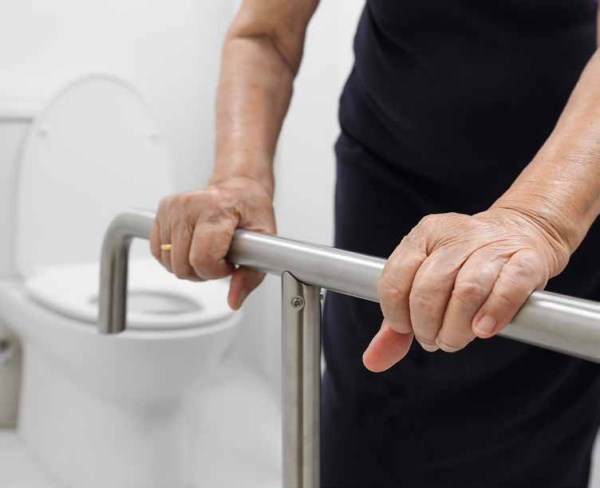
Grab rails are among the most important safety features in aged care bathrooms. Strategically placed support rails provide residents with stability while moving between the toilet, shower, and basin areas.
• Placement: Rails should be positioned beside and behind toilets, inside showers, and near basins.
• Design Considerations: Rails should have a contrasting color to the wall for easy visibility.
• Additional Supports: Support arms and dropdown rails can enhance flexibility.
Accessible Toilets
The toilet area must cater to residents with differing mobility levels.
• Height and Position: Toilet pans should be slightly higher to make sitting and standing easier.
• Flush Mechanisms: Lever or sensor-operated flush systems are preferable.
• Privacy and Assistance: Toilet cubicles should provide privacy without compromising carer accessibility.
Showering Facilities
Showers in aged care homes must be designed for comfort and dignity, while minimizing the risk of falls.
• Walk-in, Step-free Showers: Showers should be fully accessible without curbs or steps.
• Shower Seats: Fold-down or mobile shower chairs provide residents with the option to bathe while seated.
• Handheld Shower Heads: Adjustable, handheld shower heads allow residents or carers to control the flow easily.
• Temperature Control: Thermostatic mixing valves prevent scalding.
Basins and Vanities
Basin areas must balance accessibility with safety and hygiene.
• Height and Clearance: Wall-mounted basins with knee clearance beneath allow wheelchair access.
• Tapware: Lever or sensor-operated taps reduce strain.
• Mirror Placement: Mirrors should be angled or height-adjustable.
Lighting and Visibility
Lighting in aged care bathrooms plays a crucial role in safety and navigation.
• Natural and Artificial Lighting: Bathrooms should include natural light where possible.
• Motion Sensors: Automatic lights that activate upon entry are helpful.
• Contrast and Color Schemes: High contrast between walls, floors, and fixtures helps residents with visual impairments.
Ventilation, Heating, and Comfort
Comfort in aged care bathrooms goes beyond accessibility — it also involves maintaining an environment that is warm, dry, and hygienic.
• Ventilation: Efficient extraction fans help prevent mold and mildew.
• Heating: Underfloor heating or wallmounted heaters provide warmth.
• Acoustic Considerations: Bathrooms should be designed to minimize echoing.
Hygiene, Infection Control, and Maintenance
Aged care facilities must meet high hygiene standards.
• Materials: Smooth, easy-to-clean surfaces help prevent bacterial build-up.
• Fixtures: Touch-free taps, soap dispensers, and flush systems reduce infection spread.
• Cleaning Access: Fixtures should be mounted to allow easy cleaning.
• Emergency Features: Each bathroom should include accessible emergency call buttons or cords.
Design for Dignity and Independence
Beyond functionality, the bathroom environment should promote dignity and autonomy.
• Resident-Centred Design: Features should be tailored to individual needs.
• Homelike Aesthetic: Bathrooms that resemble home environments reduce anxiety.
• Privacy: Adequate screening and lockable doors help residents maintain privacy.
Bathrooms in aged care homes are far more than utilitarian spaces — they are environments that directly impact residents’ safety, health, dignity, and independence. Thoughtful design that integrates accessibility, comfort, hygiene, and emotional wellbeing is crucial to creating bathrooms that support ageing with grace.